Chopsticks, a simple but ingenious eating tool, have a rich history and deep cultural significance in many East Asian societies. Their evolution from primitive tool to indispensable part of daily life is a fascinating journey through time and culture. This blog explores the history of chopsticks.
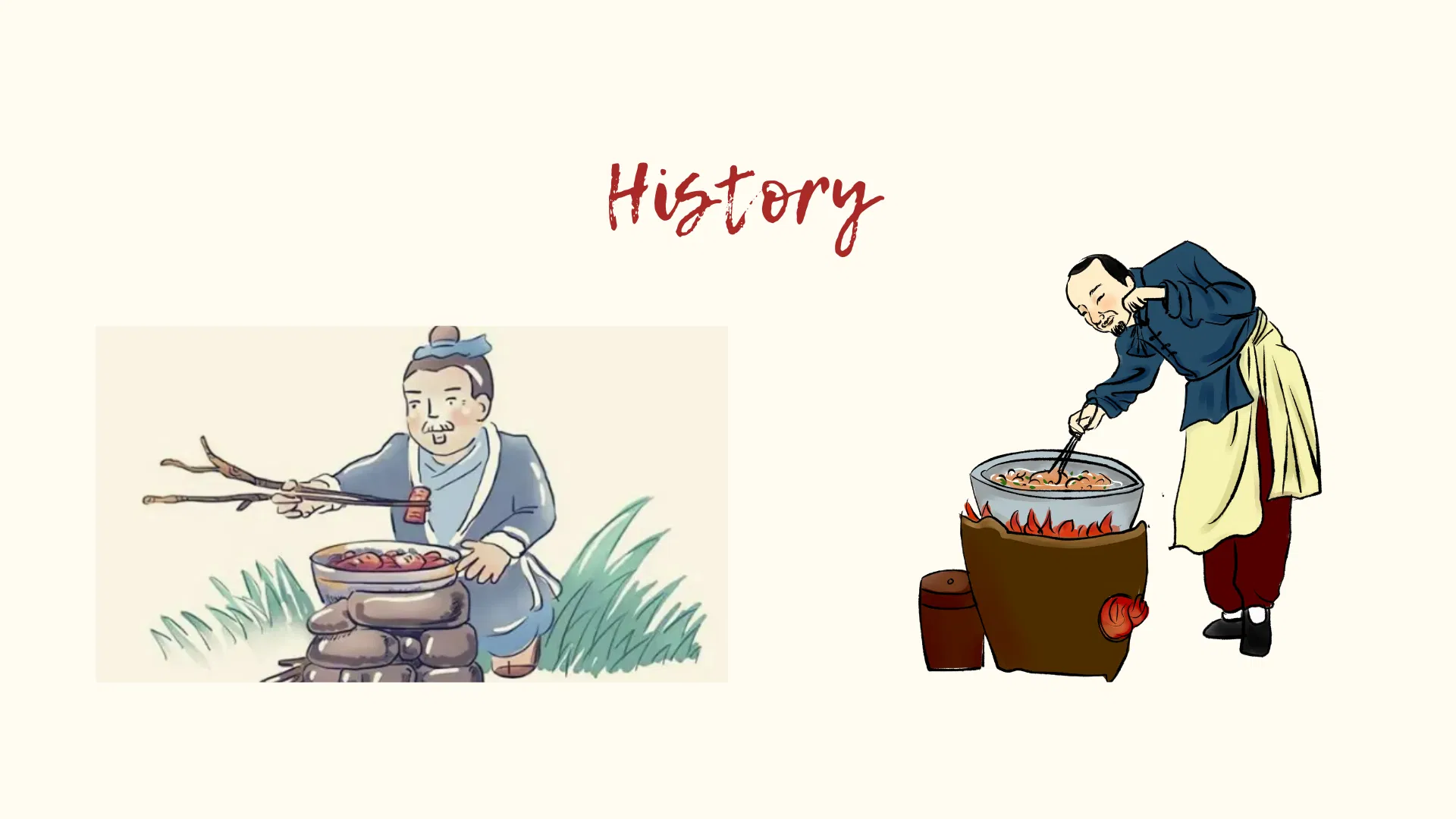
The development of eating utensils reflects the development of human eating habits. In the beginning, people ate with their hands, but by the Neolithic period, cooking methods had advanced to the point where cereals were boiled into porridge and stews were prepared. The use of knives and spoons for these meals proved impractical and led to the development of chopsticks, which were better suited to handling vegetables and meat in broths. Chopsticks, or "箸" (zhù), emerged naturally in response to these dietary needs and became indispensable for eating semi-liquid foods that could not be easily handled by hand or other utensils.
The invention of chopsticks is closely linked to the agrarian lifestyle of ancient Chinese societies, which relied on millet, a small-grained plant. With the development of cooking methods, the use of chopsticks spread, evolving from simple chopsticks to more sophisticated tools by the Shang dynasty. The term "箸" gradually changed to "筷子" (kuàizi), with usage varying regionally throughout China. This change probably began in the northern regions and reflects the historical development and adaptation of eating habits to changing dietary habits.
Various eating utensils have been used in China for a long time. Spoons have been used for about 8,000 years, forks for about 4,000 years, and the history of chopsticks is not entirely clear, but goes back at least 3,000 years. Forks were still in use during the ZhanGuo period, as evidenced by the discovery of 51 forks in a tomb in Luoyang, Henan. After the Zhan Guo period, forks are likely to have become less popular, as they are rarely mentioned in records or found as artefacts.
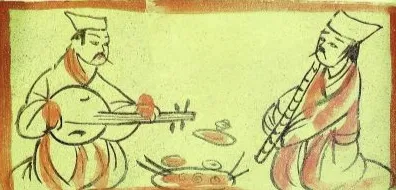
Originally, chopsticks were used for cooking and serving food rather than eating. The shift from cooking utensils to eating utensils took place during the Han Dynasty (206 BC - 220 AD), influenced by the advent of communal meals and the need for more efficient food handling. In the period before the Qin dynasty, spoons and chopsticks had different functions: Spoons were used to eat rice, while chopsticks were used to eat food in soup.
The use of chopsticks gradually spread from China to other East Asian countries, including Japan, Korea, Vietnam and Mongolia, each of which adapted the tool to their own culinary traditions and cultural practices. By the time of the Tang Dynasty (618-907 AD), chopsticks had become the predominant eating utensil in China.