"Spring rains startle the spring, and the clear valley greets the day; summer is full of grain, and the heat of summer is unbroken; in autumn the dew appears, and the cold frost descends; in winter the snow covers, and the slightest cold becomes great." This catchy lunisolar conceptual song is a practical guide left to us by our ancestors. It conceals the marvellous codes of nutrition and well-being and acts like a key that opens the door to health in every season.
Wild garlic instead of chives - fresh power for spring
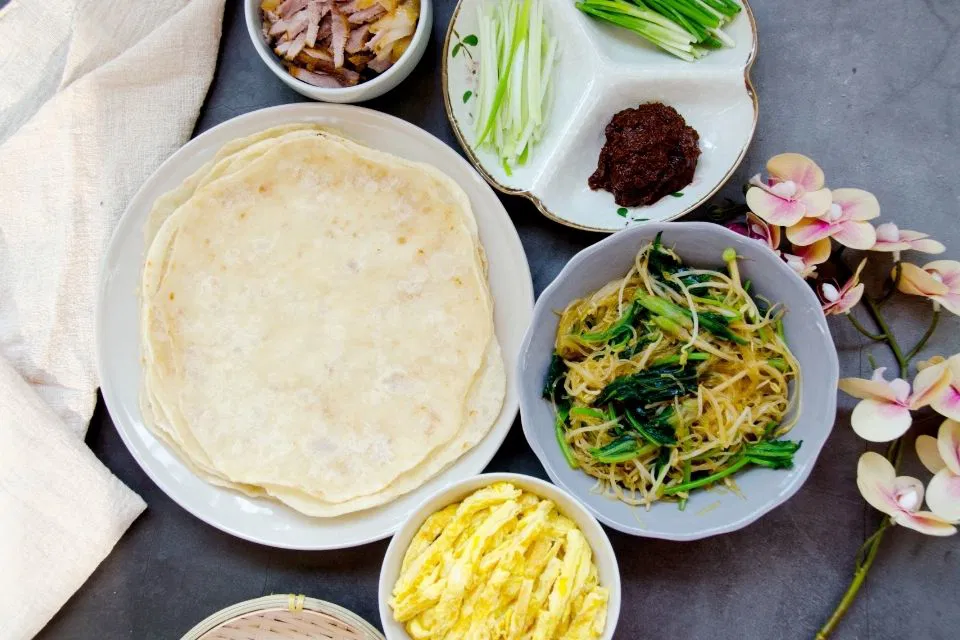
However, for many Chinese living in Europe, where traditional chives are hard to come by, there is a growing trend: they are turning to l'ail des ours, or wild garlic, as a delicious substitute. Its pungent, garlicky flavour not only mimics the pungency of chives, but also gives the popular spring flavour its very own twist. Chinese medicine teaches that spring is associated with wood and the liver, and eating more chives can "recharge" the liver and help to energise it. But even after Lichun, the weather is as changeable as a child's face. That's why it's important to stick to spring and not pack away your thick clothes too quickly, otherwise that nasty cold will creep in and make you sneeze uncontrollably.
Healthy throughout the year: nutrition according to China's lunisolar calendar
Qingtuan at Qingming time - enjoyment with effect
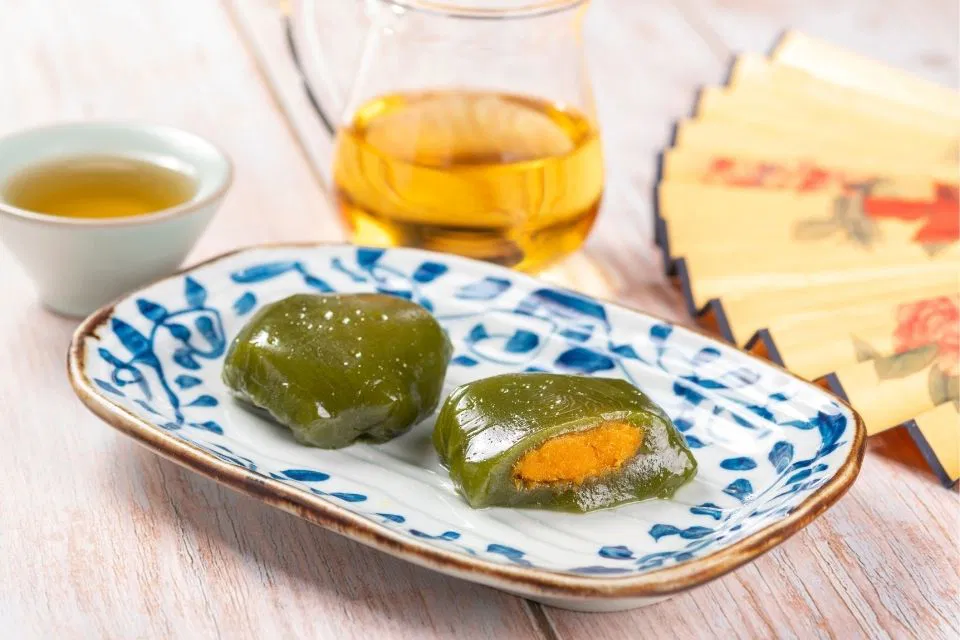
The Qingming (Pure Brightness) period, when the rain is pouring down and temperatures are rising with the increasing rainfall, is the perfect time for spring planting and sowing. As for food, qingtuan takes centre stage. It is made from mugwort juice mixed with glutinous rice flour and filled with bean paste or pork floss. Mugwort not only gives it a unique earthy flavour, but also has the effect of dispelling dampness, dispersing cold, regulating qi and stopping bleeding. At this time when the heat is shifting and the humidity is increasing, eating some qingtuan not only allows you to enjoy an exclusive delicacy of spring, but also promotes health and well-being.
Lixia meal - bamboo shoots, peas and salted pork
Lixia (the beginning of summer) marks the official arrival of summer. In the Jiangnan region, families gather for a "Lixia meal", where peas, spring bamboo shoots, salted pork and rice are cooked together and spread an inviting aroma. Summer is hot and the body consumes more energy; TCM teaches that the heart should be nourished in summer. In the Lixia meal, peas and bamboo shoots help eliminate heat and dampness, while salted pork replenishes the salt content, making it a great aid to summer health. There is also an old saying: "Eat radish in winter, eat ginger in summer, then you won't need a doctor's prescription." In summer, people tend to stay in air-conditioned rooms and often consume cold drinks, which leads to an internal cold; eating ginger warms the stomach, dispels the cold and aids digestion, driving away any sneaking cold that may have crept in.
Ginger in summer - banish the cold despite the heat
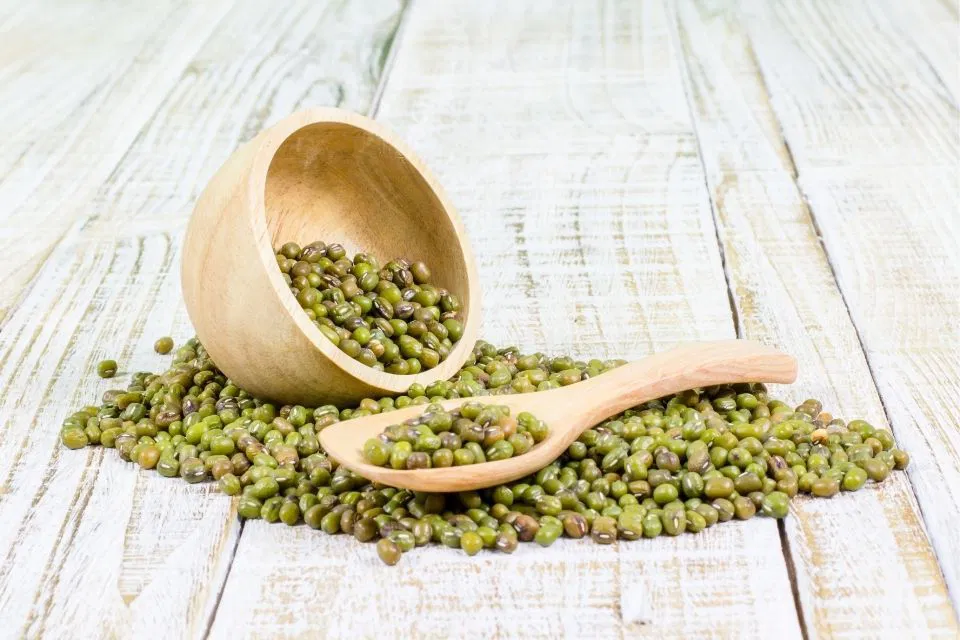
In the days of Xiaoshu (low heat) and Dashu (high heat), when the air is steamy and boiling hot, a bowl of mung bean soup is the ultimate refreshment. Mung beans are naturally cooling and have the ability to eliminate heat, detoxify and promote water elimination, making it an important health drink in summer. If the mung bean soup is cooked until it is grainy and allowed to cool, a single sip can make the heat of the whole body disappear.
Autumn: nurture yin and cool down gently
At Liqiu (the beginning of autumn), the summer heat has not yet completely disappeared, but a hint of coolness is spreading. The custom of "putting on autumn fat" begins to take hold - when the exertions of summer give way to a reawakened appetite, braised pork and stewed fish will soon be on the table. However, TCM warns us not to eat too much during this time. Duck meat is an excellent choice because of its cooling effect, as it can nourish yin, strengthen the stomach, promote water elimination and reduce swelling. A bowl of winter melon and duck soup is both refreshing and nourishing. At the same time, you can enjoy the "autumn chill" - you should not dress excessively thick, but allow the body to gradually adapt to the coolness and thus increase its resistance.
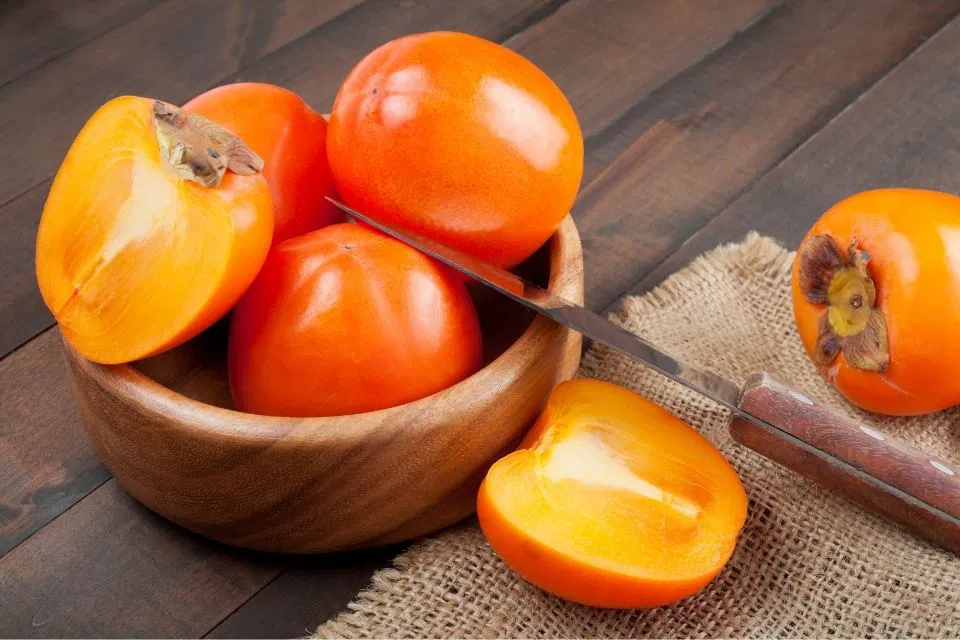
Persimmons in late autumn - sweet relief for dry days
When the Shuangjiang (descent of frost) comes, the persimmons ripen and the mountains turn into a sea of red. There is a folk saying: "Eat persimmons during Shuangjiang and you won't have a runny nose." Persimmons have the ability to dispel heat, moisturise the lungs, produce body fluid and quench thirst. On dry autumn days, biting into a soft, sticky persimmon not only satisfies cravings but also alleviates the dryness of the season.
Winter: Strengthen yang and preserve warmth
At Lidong (the beginning of winter), when everything switches to "gathering" and the weather turns cold, the hot pot and clay pot rice become the stars of the dining table. Families gather around a bubbling hot pot and enjoy the warmth and the happy get-together. Dipping slices of lamb not only warms the body and complements the yang, but when combined with vegetables such as cabbage and tofu, makes for a balanced meal. Cabbage purifies heat and dispels irritability, while tofu strengthens qi and harmonises the stomach, which is perfectly in line with the TCM philosophy of "nourish yourself with clarity" in winter. The fragrant, slightly crispy rice, paired with cured sausage, pork ribs, an egg in between and some green vegetables, provides energy, vitamins and the means to get through the harsh cold without triggering an inner fire.
Lamb soup for the cold season - strengthening from the inside
During Xiaohan (small cold) and Dahan (big cold), when the cold holds everything together, a bowl of boiling hot lamb soup is the perfect remedy. Lamb, with its warm nature, can strengthen the kidneys, boost yang and drive away the cold from within by providing the body with ample warmth to ward off the winter chill.
See how each lunisolar term, food and custom serves as a health manual attuned to the natural cycle. By following the wisdom of our ancestors, nourishing the body with food and appropriately welcoming the seasonal changes, you can maintain robust health and enjoy a joyful life all year round.
The Chinese 24th lunisolar term
立春, Lichun, beginning of spring (1st lunisolar term) 3rd, 4th or 5th February
雨水, Yushui, rainwater (2nd lunisolar term)Feb. 18, 19, or 20
惊蛰, Jingzhe, the awakening of the insects (3rd lunisolar term) 5, 6, or 7 March
春分, Chunfen, the vernal equinox (4th lunisolar term) 20 March, 21 or 22 March
清明, Qingming, Pure Brightness (5th lunisolar term) Apr. 4, 5, or 6
谷雨, Guyu, rain of grain (6th lunisolar term) 19, 20 or 21 April
立夏, Lixia, beginning of summer (7th lunisolar period) 5th, 6th or 7th May
小满, Xiaoman, Lesser abundance of grain (8th lunisolar period) 20th, 21st or 22nd May
芒种, Mangzhong, grain in the beard (9th lunisolar term) 5, 6 or 7 June
夏至, Xiazhi, the summer solstice (10th lunisolar term) 21 or 22 June
小暑, Xiaoshu, Lesser Heat (11th Lunisolar Term) Jul. 6, 7 or 8
大暑, Dashu, Greater Heat (12th lunar calendar) 22, 23 or 24 July
立秋, Liqiu, beginning of autumn (13th lunisolar term) 7, 8 or 9 August
处暑, Chushu, end of the heat (14th lunisolar term) 22, 23 or 24 August
白露, Bailu, White Dew (15th lunisolar date) 7, 8 or 9 September
秋分, Chunfen, autumn equinox (16th lunisolar term) 22. 23. or 24. September
寒露, Hanlu, Cold Tau (17th lunisolar term)Oct. 8 or 9
霜降, Shuangjiang, Descent of Frost (18th lunisolar term) 23rd or 24th October
立冬, Lidong, beginning of winter (19th lunisolar term) 7th or 8th November
小雪, Xiaoxue, Little Snow (20th lunisolar term) 22nd or 23rd November
大雪, Daxue, Great Snow (21st lunisolar term) 6, 7 or 8 December
冬至, Dongzhi, the winter solstice (22nd lunisolar term) 21, 22 or 23 December
小寒, Xiaohan, Lesser Cold (23rd lunisolar term) 5, 6 or 7 January
大寒, Dahan, Greater Cold (24th lunisolar term) 20 or 21 January